

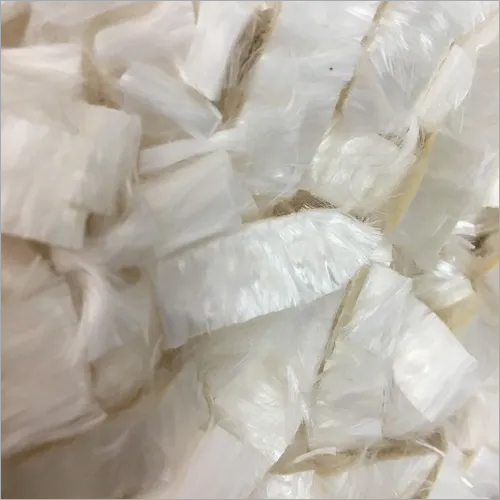
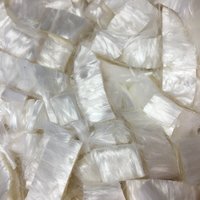
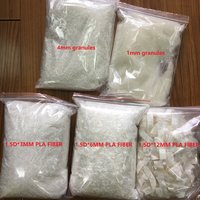
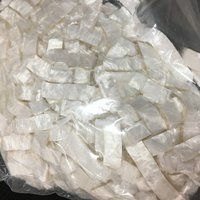
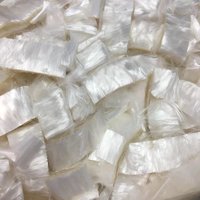

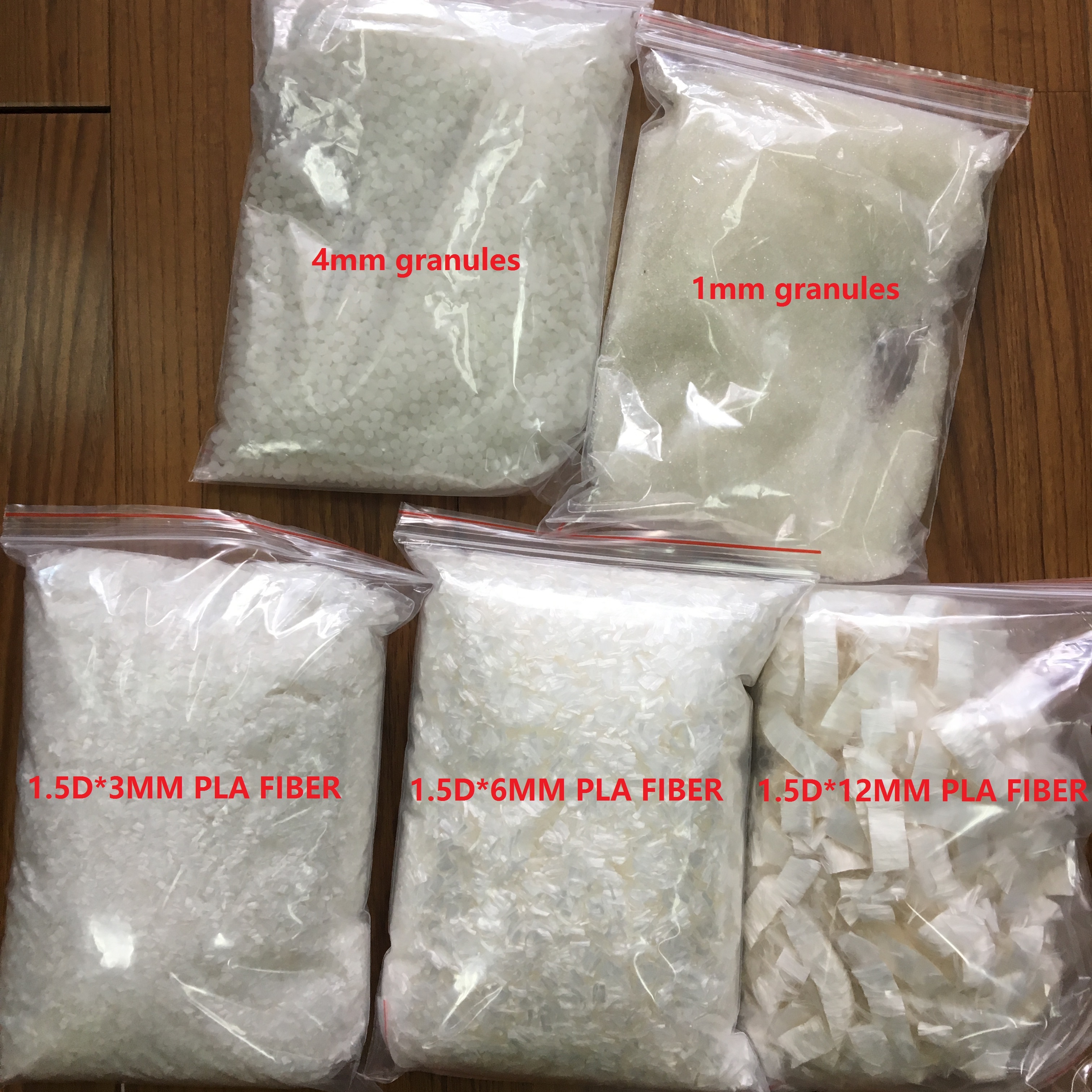
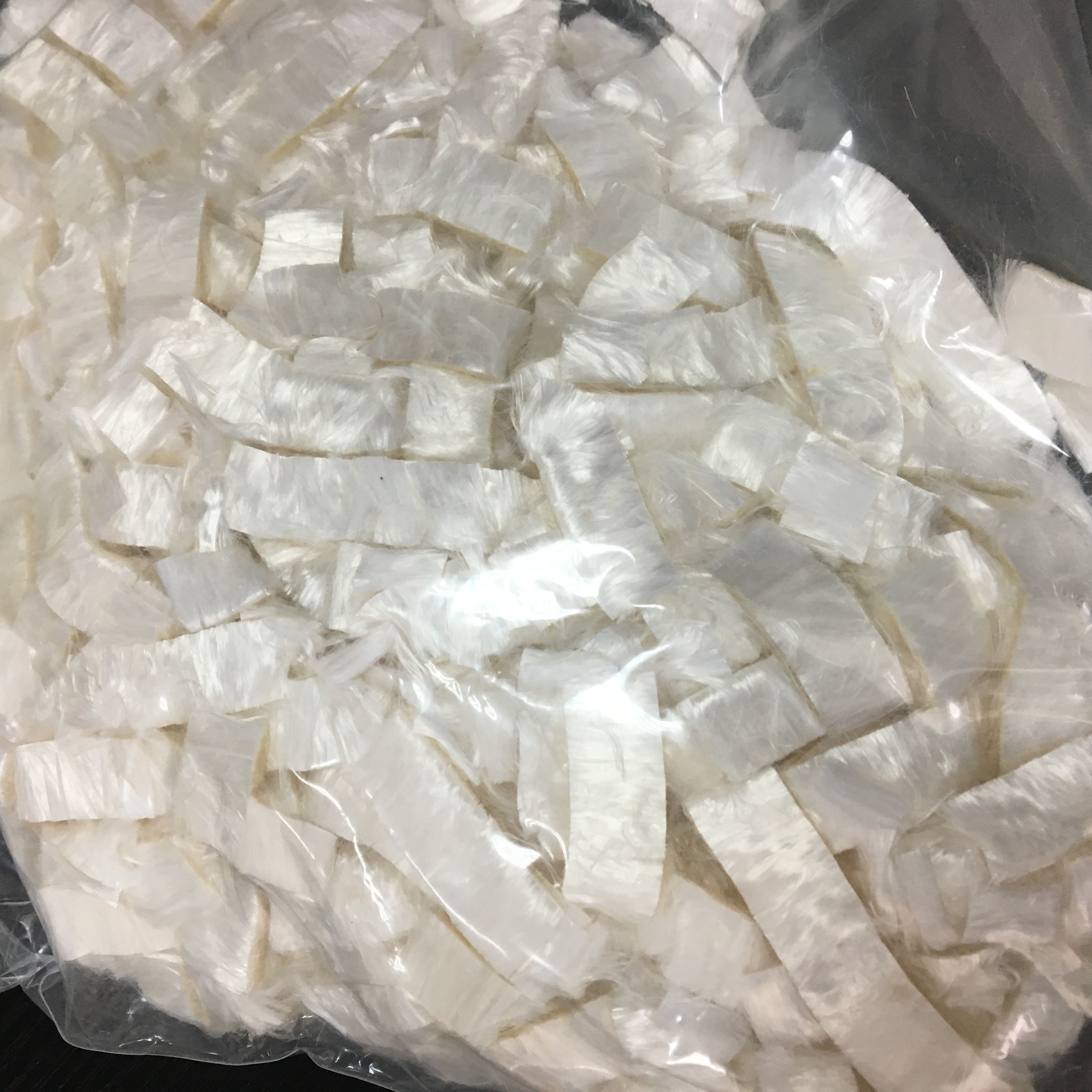
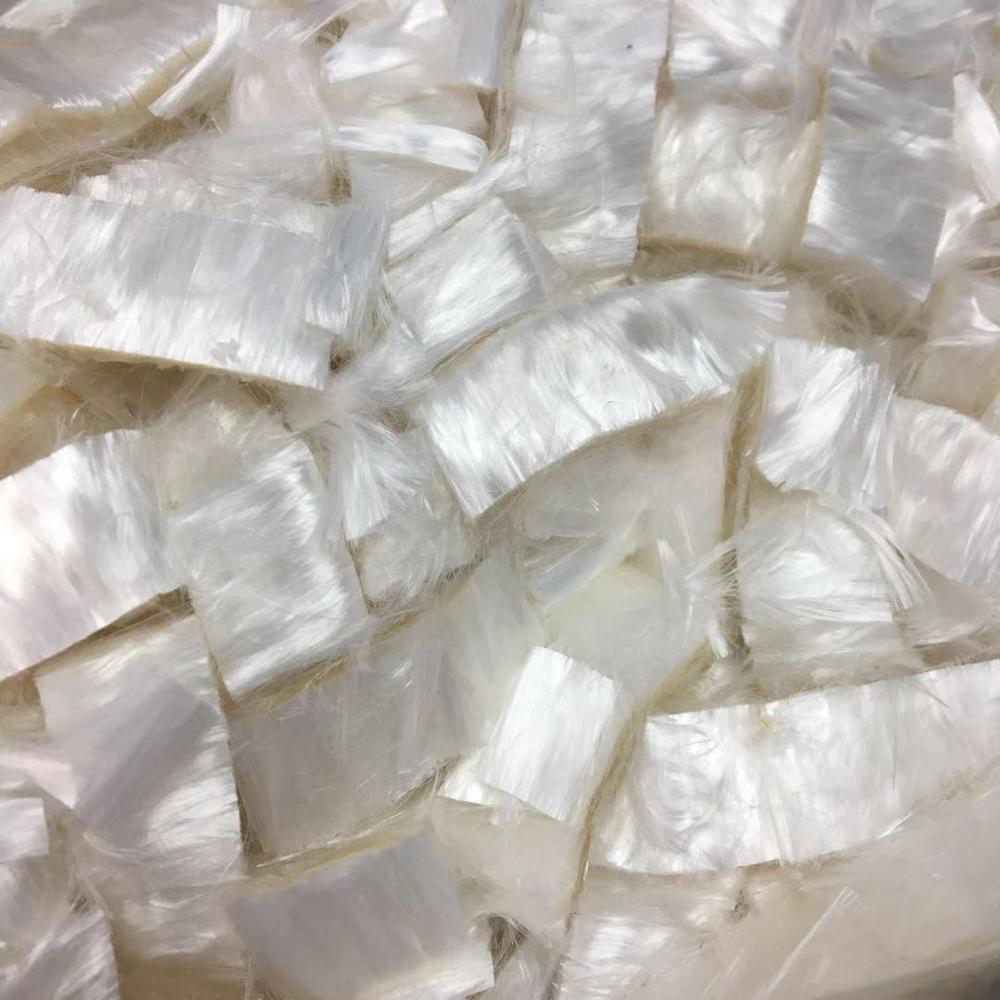
12MM PLA CORN FIBER FOR GAS INDUSTRY
4.79 - 5.29 USD ($)/Kilograms
Product Details:
- Elongation 45%
- Fiber Length 3/6/12 Millimeter (mm)
- Fineness (%) 1.3/1.4/1.5
- Pattern Raw
- Feature Anti-UV
- Click to view more
X
12MM PLA CORN FIBER FOR GAS INDUSTRY Price And Quantity
- 4.79 - 5.29 USD ($)/Kilograms
- 500 Kilograms
12MM PLA CORN FIBER FOR GAS INDUSTRY Product Specifications
- Raw
- 45%
- 1.3/1.4/1.5
- Anti-UV
- 3/6/12 Millimeter (mm)
12MM PLA CORN FIBER FOR GAS INDUSTRY Trade Information
- SHANGHAI/NINGBO
- Delivery Point (DP), Letter of Credit (L/C), Western Union, Paypal, Telegraphic Transfer (T/T)
- 50000 Kilograms Per Month
- 7 Days
- Yes
- Contact us for information regarding our sample policy
- 20KGS/CTN 40KGS/PP BAG (25% WATER)
- Western Europe, Australia, Eastern Europe, Central America, Middle East, South America, Asia, North America, Africa
Product Description
PLA takes annually renewable resources-corn, cassava and other plants as raw material. After fermentation by microorganisms, lactic acid will be extracted, then PLA will be produced through a process of refining, dehydration polymerization, high temperature pyrolysis and final polymerization. PLA has excellent biodegradable property. After disposal, within one year, it can be degraded into carbon dioxide and water by microorganisms in the soil, and do no harm to our environment. PLA is a kind of aliphatic polyester with basic characteristics of general micro molecule materials. PLA has good mechanical properties, low shrinkage, and is competent to the application of most synthetic plastics, also it's widely used in the production ot package materials, disposable tableware, household electrical appliance shelf, fiber, 3D supplies etc. Because PLA derives from renewable plant resources but not the petroleum-based traditional plastics, so it can be truely realize energy-saving and environmental protection, and PLA is considered to be the most promising new "ecological materiar"
Eco-Friendly Performance in Gas Applications
Our PLA corn fiber is derived from renewable resources and is engineered for high-strength use in gas industry settings. With anti-UV protection and customizable lengths, these raw fibers maintain integrity in exposed environments, ensuring optimal function over time.
Versatile Fineness and Lengths to Suit Every Need
Available in specifications of 1.3, 1.4, or 1.5 fineness and 3, 6, or 12 millimeter lengths, our PLA fiber can be adapted for a wide range of technical applications, offering flexibility for manufacturers, exporters, and suppliers seeking bespoke solutions.
FAQs of 12MM PLA CORN FIBER FOR GAS INDUSTRY:
Q: How is the 12MM PLA Corn Fiber typically used in the gas industry?
A: The 12MM PLA Corn Fiber is primarily utilized as reinforcement or filtration material in gas industry equipment and components, where its strength, elongation, and anti-UV features add durability and stability to products exposed to harsh environments.Q: What makes PLA corn fiber a beneficial choice over conventional fibers?
A: PLA corn fiber stands out due to its eco-friendly origin, being derived from renewable corn sources. Its 45% elongation, anti-UV protection, and multiple fineness options enhance mechanical performance while supporting sustainability goals.Q: When should manufacturers choose different fiber fineness or length?
A: Manufacturers select the fineness and length of the fiber based on specific technical needs. Finer fibers (1.3/1.4) are ideal for applications requiring high filtration or smooth surfaces, whereas longer fibers (up to 12mm) offer enhanced strength and integrity in the final product.Q: Where is this PLA corn fiber sourced and produced?
A: This PLA corn fiber is produced and exported from China by leading manufacturers, ensuring international quality standards and consistent supply for global gas industry applications.Q: What is the process for incorporating PLA corn fiber into industrial products?
A: The fibers are generally integrated during the production phase, either blended into composites, layered within filtration systems, or used as reinforcement, depending on the targeted application in the gas industry.Q: How does the anti-UV feature benefit the fiber in industrial applications?
A: The anti-UV property allows the fiber to maintain its structural integrity and performance even when exposed to sunlight or other sources of ultraviolet radiation, which is especially beneficial in outdoor or high-exposure environments.Tell us about your requirement

Price:
Quantity
Select Unit
- 50
- 100
- 200
- 250
- 500
- 1000+
Additional detail
Mobile number
Email

Other Products in 'Fiber products' category


Contact Details

- Office : Rm.-1607, Kunyang Plaza, No.-798, Zhaojibang Road, Xuhui Dist., Shanghai - 200030, China
- Phone : 86-21-54259641
- Office 2 : Rm.809-810, Bldg2, Nano Center, 245 Jiachuan Rd. Xuhui Dist., Shanghai, CHINA, 200237
Dyeing Factory : No.2 Yingbin Road, Bixi Town, Changshu, Jiangsu
Fancy Yarn Factory : No.888, Xinyang Road, Xinqiao Town, Jiangyin, Jiangsu
Garment Factory : No.289, Century Avenue, Lujiang, Anhui
Polyester Yarn Factory : No.12 Jianxin Road, Zhuze Town, Liyang, Jiangsu
SHANGHAI VICO INDUSTRIAL CO., LTD

- Nikkie LEE
- Mobile : +8613816174866
- Mr Vico LEE (Proprietor)
- Mobile : +8613817960090
- Send Inquiry
 Send Inquiry
 Send Inquiry
SHANGHAI VICO INDUSTRIAL CO., LTD
All Rights Reserved.(Terms of Use)
Developed and Managed by Infocom Network Private Limited.
Developed and Managed by Infocom Network Private Limited.
 English
 Spanish
 French
 German
 Italian
 Chinese (Simplified)
 Japanese
 Korean
 Arabic
 Portuguese